
Axial spondyloarthritis (axial SpA) is a form of inflammatory arthritis that mainly affects the spine and sacroiliac joints. It commonly causes long-term back pain, stiffness, and fatigue that behave differently from mechanical or injury-related back pain - often feeling worse after rest and better with movement.
Axial SpA includes ankylosing spondylitis and non-radiographic axial spondyloarthritis, where symptoms may be present even when X-rays appear normal. Diagnosis can take time, and many people live with symptoms for years before receiving clear answers.
I share this both as a yoga teacher and as someone diagnosed with axial spondyloarthritis myself. My aim is to raise awareness of this often misunderstood condition and to offer informed, realistic support through yoga - without promising cures.
What is axial spondyloarthritis?
Axial spondyloarthritis is a chronic inflammatory condition affecting the axial skeleton - primarily the spine and pelvis. Symptoms usually develop gradually and persist for more than three months.
Common features include:
back pain and stiffness that start slowly
early-morning stiffness that improves with movement
symptoms that worsen with rest
ongoing fatigue or low energy
Axial SpA exists on a spectrum. Some people show clear changes on imaging, while others experience significant symptoms without visible inflammation on scans. Both experiences are valid, and both deserve appropriate support.
Living with axial spondyloarthritis
Living with inflammatory back pain often requires a different relationship with movement. Symptoms can fluctuate, energy levels can vary, and what feels supportive one day may not be appropriate the next.
My own diagnosis has reshaped how I practise and teach yoga. It has reinforced the importance of listening to the body, adapting rather than forcing, and recognising that rest is sometimes as valuable as movement.
Can yoga help with axial spondyloarthritis?
Yoga is not a treatment or cure for axial spondyloarthritis, and it does not replace medical care. However, when practised in an informed and adaptable way, yoga can offer supportive tools for people living with long-term inflammatory conditions.
For me, yoga has helped with:
managing stiffness and maintaining mobility
developing awareness of safe movement ranges
supporting breath and nervous system regulation
cultivating consistency without overexertion
Importantly, yoga has also taught me when not to push - a crucial skill when living with a condition that doesn’t respond well to force or over-effort.
Yoga as support, not a promise
There is no single approach that works for everyone with axial SpA. Yoga should never be about pushing through pain or ignoring symptoms. My approach prioritises adaptability, choice, and respect for individual bodies and medical guidance.
The aim is not to “fix” the body, but to support movement that feels safer, more sustainable, and more responsive over time.
Who this approach is for
This work may be supportive if you:
have axial spondyloarthritis or ankylosing spondylitis
experience inflammatory-style back pain or stiffness
feel unsure about returning to movement or exercise
want a yoga approach that acknowledges chronic pain and fatigue
Now What?
If you’re living with axial spondyloarthritis or long-term back pain and are looking for an informed, understanding approach to yoga, I offer classes and 1:1 sessions designed to support people with chronic and inflammatory conditions.
You’re welcome to:
join my yoga classes
work with me one-to-one for personalised support
or get in touch to ask questions and see if this approach feels right for you
Yoga doesn’t need to be about forcing the body to cooperate. It can be a way to move with awareness, adaptability, and self-trust - even when symptoms fluctuate.
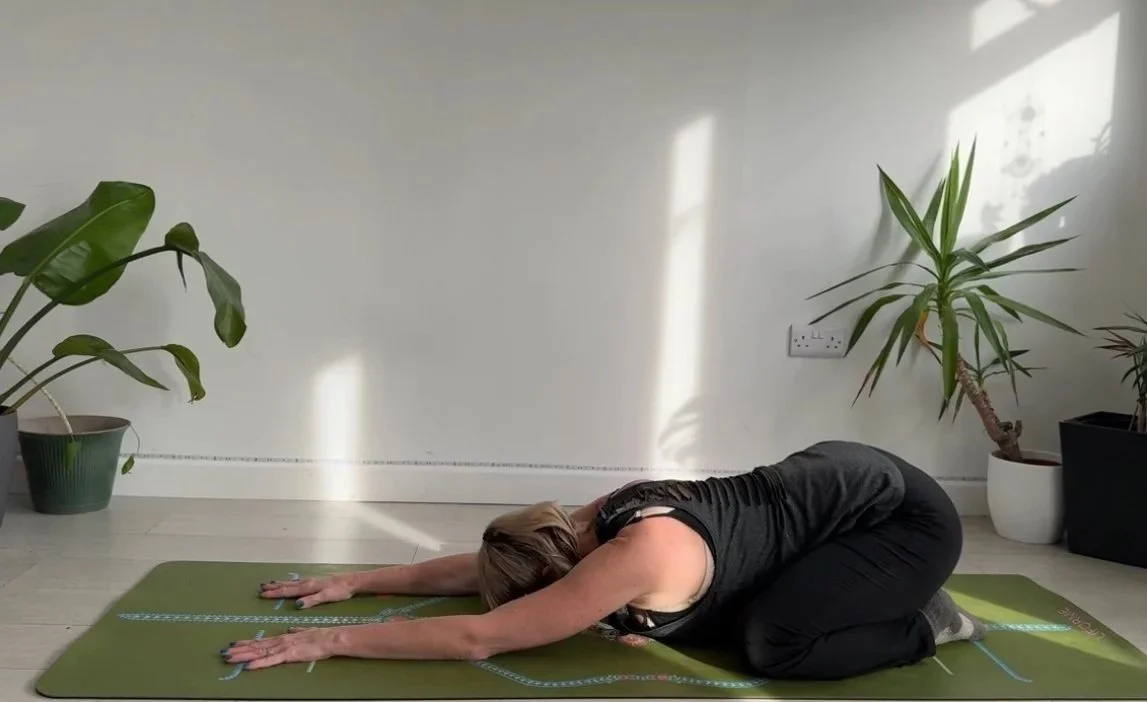
Yoga stretch for the back